For many years, the chance to invest in promising private companies was exclusive to an elite few. Due to the administrative burden of finding and integrating many stakeholders, only those with substantial chunks of capital actively managed by funds, or those close to an entrepreneur, could take a stake in a private company, supporting and simultaneously profiting from their growth trajectory. This means the vast majority of people were far removed from the world of investing in high-growth companies.
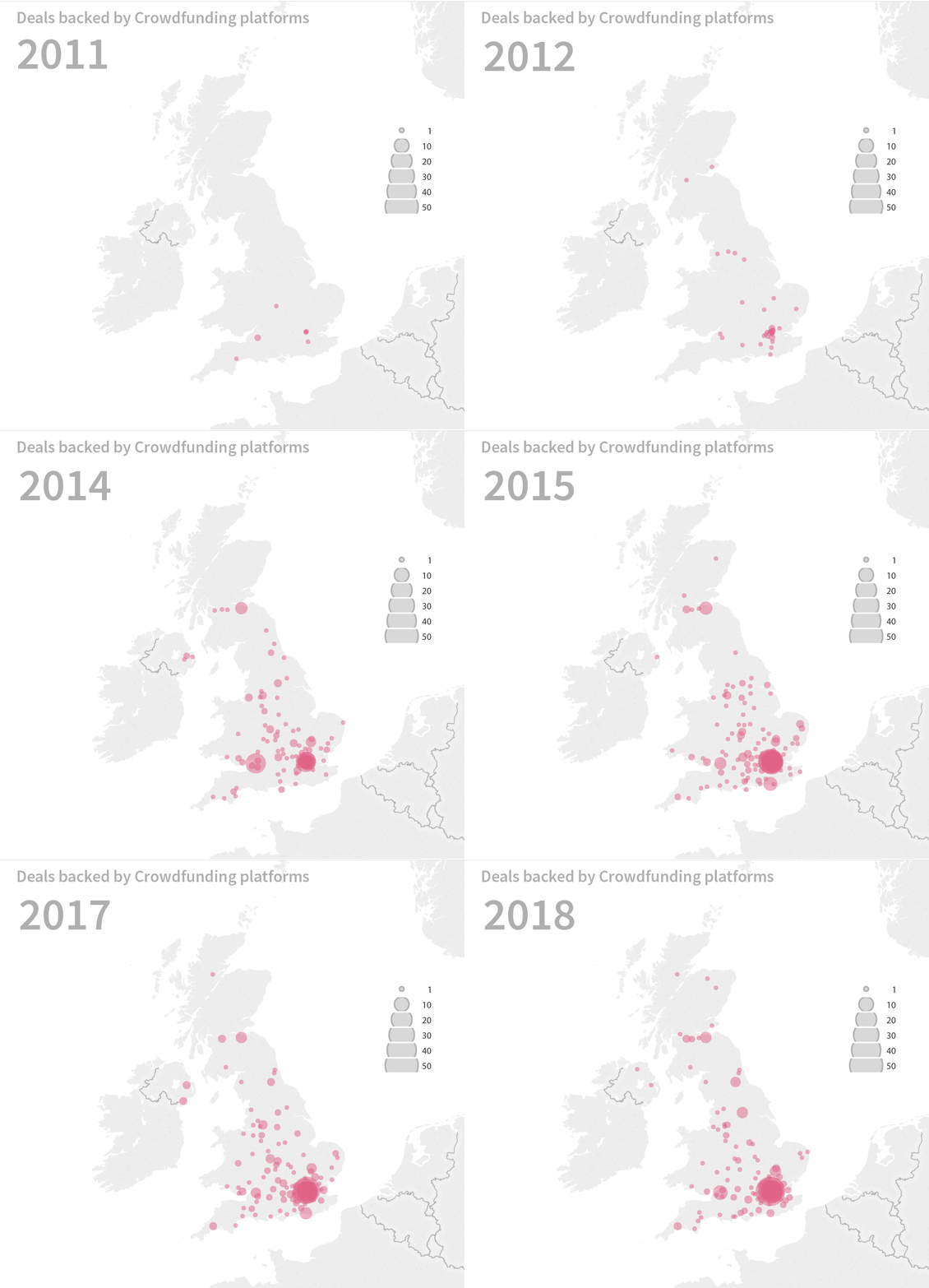
Crowdfunding is considered by some as a way to hack this system, by democratising support for high-growth companies and distributing the returns made from their high-growth. Equity crowdfunding platforms allow capital (from chunks as small as £10) to be exchanged for stakes in companies looking to raise funds, taking on the challenges of organising and administrating thousands of investors in a single round. The small percentages bought by individual investors are taken in hope that the company will eventually exit, allowing investors to claim back the value of their shares and then some. This form of investing has come leaps and bounds in the short time it has been available. In 2011, only 8 deals were backed by crowdfunding websites; in 2018, crowdfund investors are the second most active type, backing fewer deals than only Private Equity and Venture Capital firms. You can read a further analysis of the most active kinds of investor in our latest series here.
In this post, we’ll take a deeper dive into crowdfunding activity.